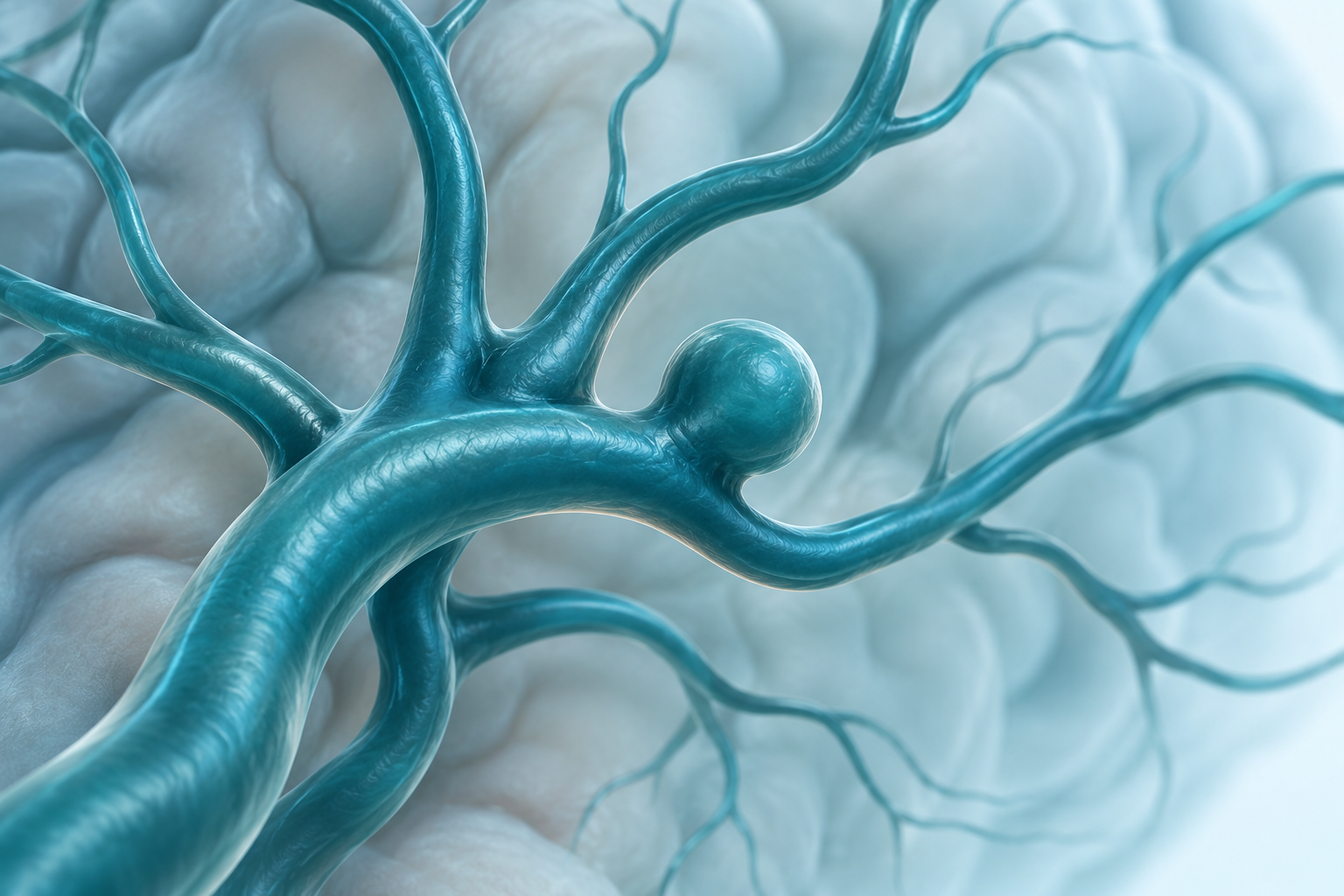
WHAT IS ANEURYSM?
The weakening and enlargement of the aorta and brain vessel walls due to some reasons and the formation of bubbles in these areas are called aneurysm. Aneurysms, which are generally seen in the brain and aortic vessels, can also occur in different parts of the body. Bubbles, which do not cause any symptoms in most patients, are generally not dangerous; However, aneurysm ruptures occurring in the brain and main arteries cause cerebral hemorrhage and internal bleeding. Ruptures occur depending on the size of the bubbles. In this case, people need urgent surgical intervention.
WHAT CAUSES ANEURYSM?
Aneurysm is caused by the weakening or failure of the intravascular muscle layer in the vessel walls, which ensures the integrity of the vessel, due to some congenital and acquired reasons. Research reveals that some factors trigger aneurysm.
genetic factors,
Congenital heart holes,
excess weight,
Hypertension,
Senile,
Drug, alcohol and cigarette use,
tumors,
Irregular nutrition,
arteriosclerosis,
Extreme stress.
WHAT ARE THE SYMPTOMS?
Symptoms of the disease vary from person to person depending on some factors and diseases. The body part where the aneurysm is seen and the type of aneurysm also cause the symptoms to change. An aneurysm may not show symptoms if the bulge is small or expands slowly. In this case, the veins may suddenly rupture, causing serious consequences.
General symptoms of aneurysm are as follows:
Pain in the area where the aneurysm is seen,
Bleeding seen in these areas,
loss of consciousness
Heart rate higher than normal,
Hypotension,
dizziness,
Nausea and vomiting,
Convulsions and epileptic seizures
Problems with vision,
Weakness,
Facial numbness or facial paralysis,
Sensitivity to light.
In cases where the aneurysm has not ruptured, none of these symptoms may be seen. While some patients may have one of these symptoms, some may have all of them. In some cases, symptoms of the disease causing the aneurysm appear. In brain aneurysms, severe and frequently recurring headache is one of the most important symptoms. Headaches that increase especially after physical activities such as sports and sexual intercourse may be an indication of a brain aneurysm.
WHAT ARE THE TYPES OF ANEURYSM?
Aneurysm types are classified depending on the region in the vessel wall where they develop and the way they develop. Aneurysms are divided into saccular (sac-shaped) and fusiform (flat expansion in the vessel wall) according to their development type. In saccular aneurysm, weakness is observed in a certain and small area of the vessel wall. This weakness, which develops rapidly and is prone to bleeding, is usually seen in the brain, but can also occur in internal organs such as the spleen and kidney.
In fusiform aneurysm, a symmetrical weakening is observed throughout the vessel wall. These types of aneurysms develop more slowly than saccular aneurysms. At the same time, bleeding is less. In general, aortic aneurysms are evaluated in this group.
Aneurysms are also divided according to the areas in the body where they occur:
Bubbles that form in the brain vessels as a result of damage or weakening are called brain aneurysms. Brain aneurysm, also known as cerebral aneurysm, is the most dangerous among aneurysms because the vessels are weak and prone to rupture, which can lead to brain hemorrhage. In some cases where the bubble is quite small, no symptoms are observed. Brain aneurysm can be caused by damage during birth, but can also develop due to trauma and various diseases.
Aortic Aneurysm
Aortic aneurysm, which is divided into two groups: thoracic aortic aneurysm (TAA) and abdominal aortic aneurysm (AAA), is a type of aneurysm that affects the main vessel of the body. Aneurysms seen in the abdomen, legs and chest areas occur due to reasons such as arteriosclerosis.
pseudoaneurysm
Pseudoaneurysm, also called false aneurysm; It is a type of aneurysm in which ruptures occur although no swelling develops in the vessel wall. The most important causes of pseudoaneurysm are stents, trauma and various infections.
HOW IS IT DIAGNOSED?
Aneurysm diagnosis is made by imaging methods. Thanks to Magnetic Resonance (MRI) and computerized tomography, aneurysms can be visualized and thus aneurysms are diagnosed. Brain angiography provides more detailed information than these imaging methods.
A ruptured aneurysm is diagnosed through spinal fluid, which is a different method. Blood in the spinal fluid means that the aneurysm has ruptured. After the diagnosis of aneurysm, the treatment deemed appropriate by the physicians is started.
WHAT IS ANEURYSM SURGERY?
Aneurysm, which develops due to some reasons in the main artery and brain vessels, is now treated with surgical methods. Aneurysm surgery; It includes all the methods used against the risk of bursting as a result of severe expansion in some cases, and in some cases for aneurysm bleeding.
WHAT ARE THE SURGICAL METHODS?
Surgical intervention is necessary if the aneurysm in the cell wall bursts and bleeding occurs. In addition to open surgical interventions, closed operations are also performed in the treatment of aneurysms. Which of the surgical methods is suitable for the patient varies depending on the development region, type and size of the aneurysm.
Open Surgical Operation
This method, also known as aneurysm clipping, is performed under general anesthesia. The aim of the clipping method, which was first used in 1937, is to close the area where the aneurysm is located. During the operation, a part of the skull is removed to access the vessel where the aneurysm is located. Likewise, in aortic aneurysms, a large incision is made in the abdomen and/or ribcage to reach the vessel. Then, one or more clips, usually made of titanium, are attached to the neck of the aneurysm to cut off blood flow. Clip application is completed by suturing the brain membrane and closing the skull.
Open operations usually take 2-6 hours or more and may cause some complications. In cases where complications are not observed, patients recover within an average of 10 days.
Endovascular Method
In the endovascular method, which generally involves reaching the vessel where the aneurysm is located from the groin area, no incision is made on the patient's body. In this method, which began to be used in the 1970s, a catheter is placed in the groin of the patients into the vein where the aneurysm is seen, accompanied by imaging devices. Thanks to this catheter, it is possible to place platinum wires into the vein. The wires, which act to form a clot in the vein, are applied in the form of a ball. In this way, blood flow into the bubbles is prevented. The clot formed creates the clip effect in open operations. A stent can be placed in this area to prevent the wires placed in the aneurysm from reaching the main vessel.
In general, closed surgery, which takes 1-2 hours, is preferred because it is less painful than open surgery and has a lower risk of complications. Patients can recover within a few days. Despite these advantages, closed surgery may carry high risks due to the risk of rebleeding and complications that may occur during the procedure being more difficult to control than open surgery.
Frequently Asked Questions
What is the probability of an aneurysm bleeding?
The possibility of an aneurysm bleeding is not fully known. It is only possible to make a prediction based on some data about whether there will be bleeding in the aneurysm or the severity of this bleeding. By observing the area, size and shape of the aneurysm, an assumption is made about whether bleeding will occur. Rebleeding often occurs in ruptured aneurysms; Therefore, patients must be observed immediately.
What is the reason for bleeding in aneurysm?
It is not clear when and why bleeding occurs in both brain and aortic aneurysms. However, some factors may cause bleeding. Severe mood changes caused by reasons such as high blood pressure, stress and anger, heavy physical activities that increase the pressure in the veins, smoking and drug use, and some medications such as amphetamines are among the factors that can cause bleeding.
Is it possible to prevent aneurysm?
Aneurysm, which mostly begins to be seen after the age of 35, is generally associated with congenital health problems. However, lifestyle changes are among the ways to prevent tears and bleeding. Engaging in regular physical activities, not smoking, eating a healthy and balanced diet, avoiding excessive stress and undergoing regular health screenings are some of the precautions to be taken.
Which surgical method is better/appropriate for aneurysm treatment?
The effects of surgical methods that have been used for many years in both aortic and brain aneurysms have been proven. The method to be chosen for treatment is determined entirely by the progression of the aneurysm and the patient's condition. At the same time, each method has advantages and disadvantages. Open surgeries are quite risky and can cause serious complications. However, there is a risk of aneurysm recurrence in closed operations. Specialist physicians determine the most appropriate method according to the patient's condition.
This information is educational and does not replace consultation with a physician.