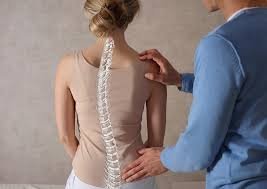
Scoliosis symptoms may vary depending on the degree and type of curvature. Common symptoms include:
Shoulder and Hip Asymmetry: One shoulder or hip may be higher than the other.
Marked Spinal Curvature: Curvature of the spine, especially seen when bending forward.
Back Pain: Especially in adults, scoliosis can cause pain.
Imbalance: Posture disorders due to unbalanced distribution of body weight.
Diagnosis and Diagnosis
Diagnosis of scoliosis is usually made by physical examination and radiological imaging (x-ray). To evaluate the curvature and degree of curvature of the spine, the doctor examines the patient's posture and measures the angle of curvature (Cobb angle) by taking an x-ray.
Treatment Methods
Treatment for scoliosis varies depending on the degree of curvature, the age of the patient, and the severity of symptoms:
Observation: Regular follow-up and observation is performed in cases of mild curvatures. It is checked whether the curvature progresses.
Orthosis (Corset) Use: A corset can be used in growing children and adolescents to stop the progression of the curvature. The corset helps keep the spine in the correct position.
Physical Therapy: Special exercise programs are applied to strengthen muscles and increase flexibility.
Surgical Intervention: Surgical intervention may be required in cases of severe curvatures or cases that cause pain and loss of function. Surgery to straighten the spine with metal rods and screws (spinal fusion) is the most common surgical method.
Outcome and Prognosis
The prognosis for scoliosis varies depending on the type of curve and response to treatment. In most cases, with early diagnosis and appropriate treatment, the curvature can be controlled and patients' quality of life can be improved. Untreated, severe cases of scoliosis can lead to progressive deformity, chronic pain and breathing problems.
Early diagnosis and regular follow-up play an important role in scoliosis management. Families should carefully monitor their children's spinal development and seek medical help if they notice any asymmetry or poor posture.
This information is educational and does not replace consultation with a physician.